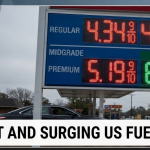



American Express reported a profit of $3.71 billion, which is a sharp rise from last year. AmEx updated its premium tier fee structure up $200 from $695, and customers stick to it, making this a success. There were doubts about customer response when this first came up, but there was a reported 100% retention rate. The credit card has promised benefits worth more than $3500 annually for hotels and restaurants. Americans also use the credit card for flights, which has increased revenue because higher flight costs from rising gas prices and inflation have driven up demand. This is up $2000 from what they promised before.
This is partly because the company commonly issues cards to those with higher credit scores. This means that the higher-tier and richer customers will take the higher fee for fancier and premium perks. Not only inflation, but the users themselves are making more transactions and spending aggressively on these cards.
Howard Grosfield, president of U.S. consumer services at American Express, says that the annual value of the credit card goes far, far in excess of what it charges annually.
In addition to $400 in restaurant credits and $600 for hotels, AmEx also gives $300 for the apparel store Lululemon and $300 for online streaming and entertainment. All of this is on top of existing and past benefits. They also created a dashboard to access these benefits, because many customers don’t even bother to avail themselves of many of these rewards. AmEx wants to change that by making these rewards more realistic.
Several other financial institutions and firms are planning to cut employees for AI. American Express is one of them, telling investors they plan to cut 5% of its employees, which makes 3,500 of 78,000 employees. CEO Steve Squei has mentioned that the cutoffs are directed towards efficiency, replacing employees with AI for internal operations. This decision comes forward as there are rising concerns about operational costs in the face of competitors like JP Morgan.