

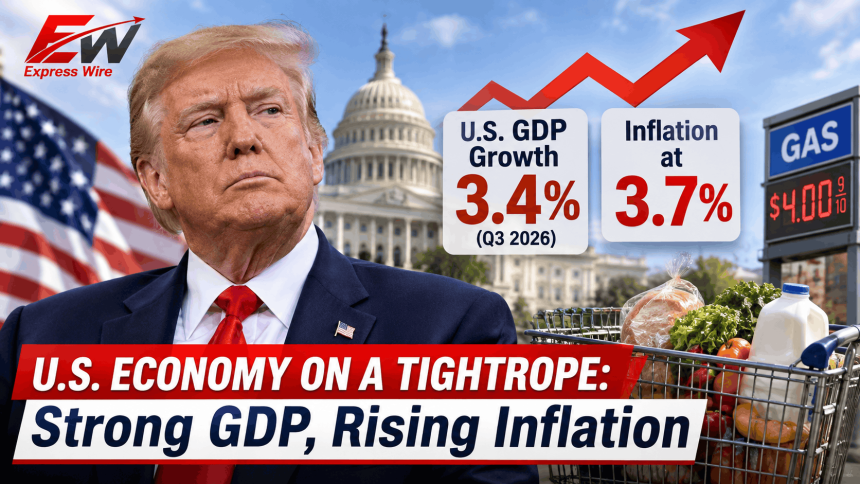
The U.S. Bureau of Economic Analysis has reported a 3.4% GDP growth rate in the third quarter of 2026. This is an increase from the previous rate of 2.2%. Tariffs were predicted to induce a backlash, which they did, but Trump enforced them nonetheless. Trump had promised reduced inflation and prices during the elections, but inflation has, in fact, increased given the economic data. It has increased public as well as international retaliation against the new trade policy.
Since the tariffs were introduced, Americans have faced a per-household expense spike—$920 per American household. Gas prices seem to be the top concern for them, alongside no real employee income growth. Most Americans who voted for him before are rethinking their decision. Trump seems to think less about the consequences the Iran War would have on his country ever since he started it.
These policies have also increased healthcare, mortgage, and Medicaid costs. More than 20 million Americans lost their health insurance, and many saw their premiums jump by more than 20%. Most Americans are straining financially while the better-off Americans are able to manage inflation quite comfortably. The affordability crisis is getting more and more real even as Trump promises to pay $5000 to every American if they vote for Republicans. The irony is that he had made this promise before but forgot about it after getting elected.
Or does it loom as a shadow over the true economic picture? As gas prices continue to go over $4 a gallon, personal spending has grown 0.5% given the rising daily costs like travel, hotels, and groceries.
The savings rate also fell, and the slight growth in income is just not enough at this rate of inflation. Sidelining the robust macroeconomic growth, the bigger picture stands at a delicate position as it navigates Trump’s decisions surrounding the Iran war, tariffs, and inflation.
So does the higher-than-expected GDP growth rate offset the impact of inflation and rising affordability concerns in the USA? Or does it act as a smokescreen or glossy veneer over the true economic picture, hiding the darker economic reality?
This remains the OG question as midterms approach on Tuesday.